A measured path to lasting body composition.
Physician-prescribed GLP-1 and dual incretin protocols, formulated for sustained metabolic change — not crash dieting.
Three steps. Always the same standard.
Assess
Submit your application and intake. A licensed physician reviews your history and goals.
Prescribe
Your protocol is written for you and compounded by an FDA-registered U.S. pharmacy.
Refine
Your care team adjusts dosing as your biomarkers and life evolve.
Formulations in the weight loss program.
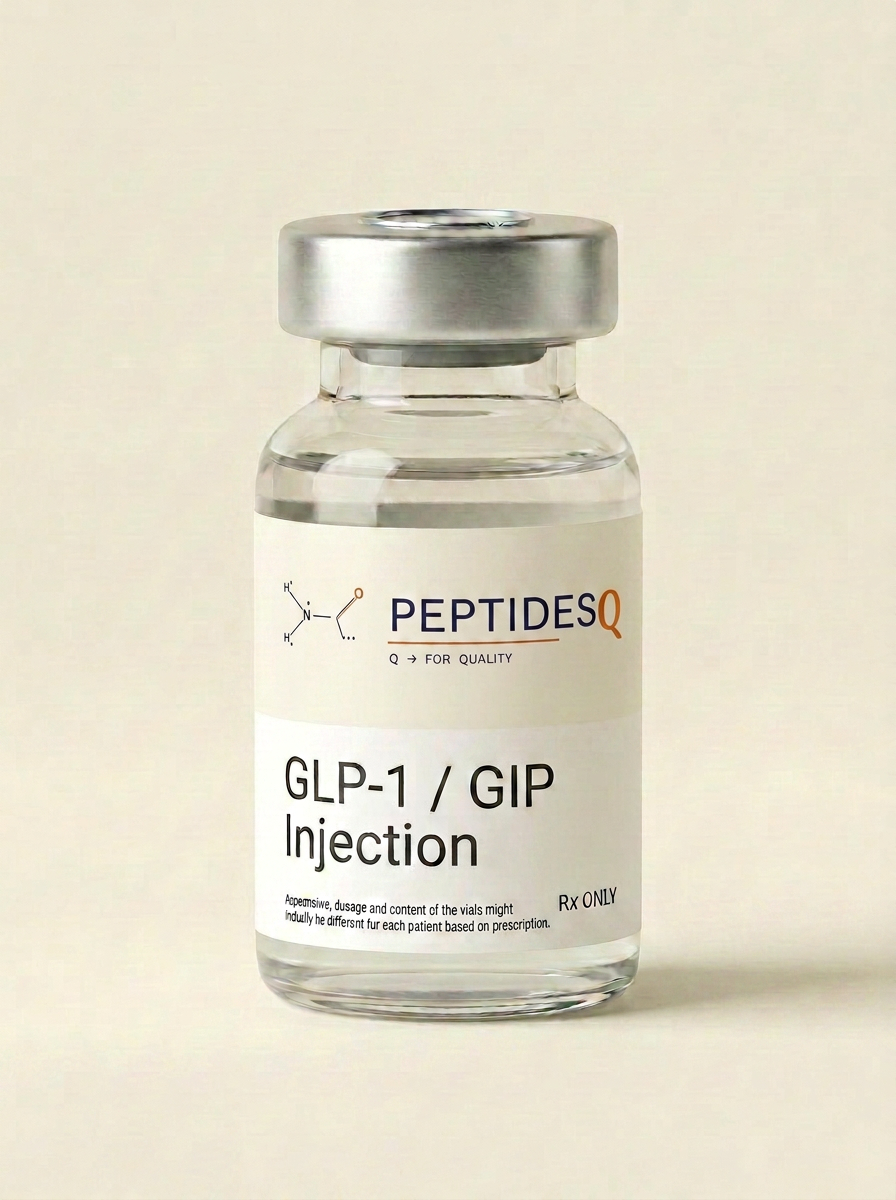
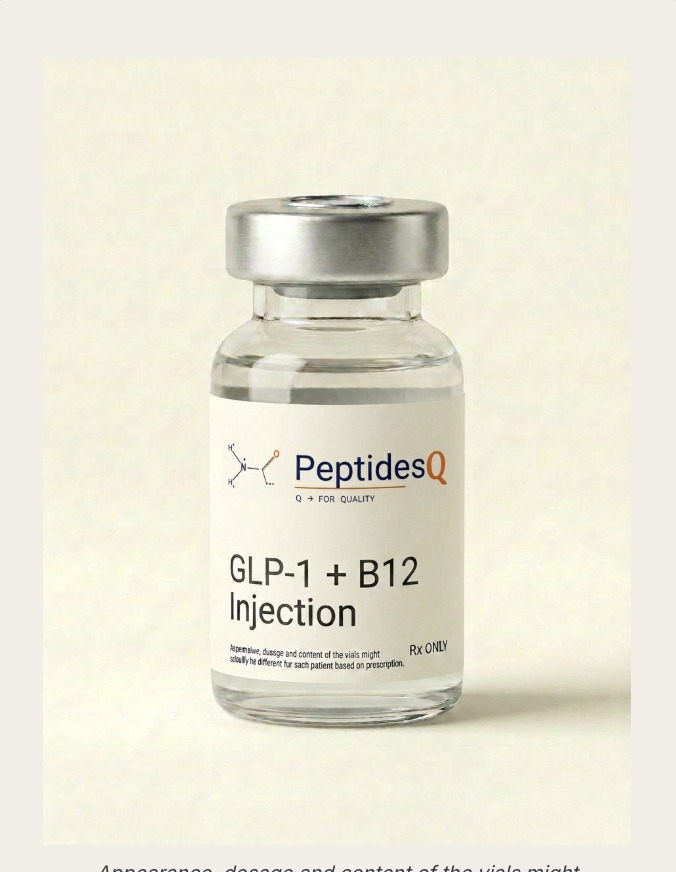
Appearance, dosage and content of the vials might actually be different for each patient based on prescription.
GLP-1 / GIP Microdose
A softer dual-agonist entry point for members who titrate carefully.
Learn more →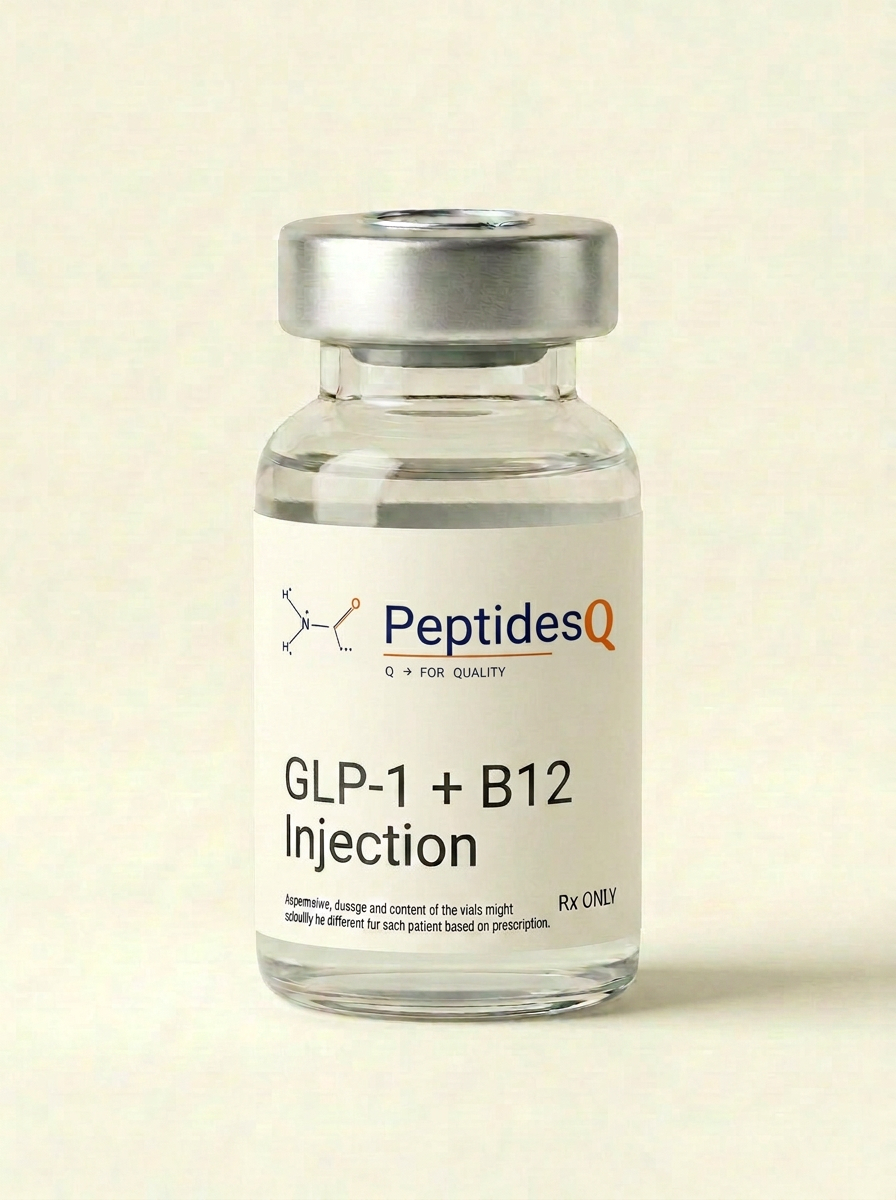
Appearance, dosage and content of the vials might actually be different for each patient based on prescription.
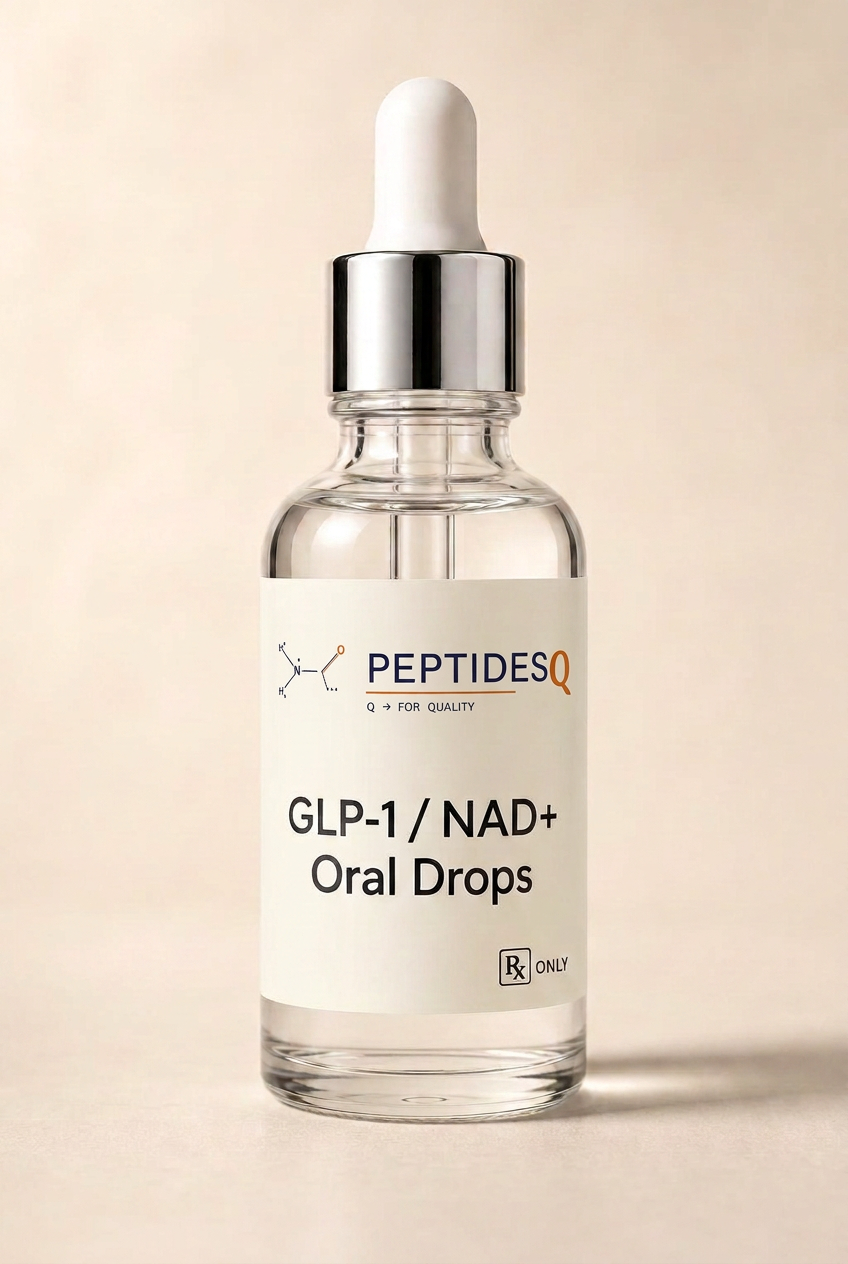
Appearance, dosage and content of the vials might actually be different for each patient based on prescription.
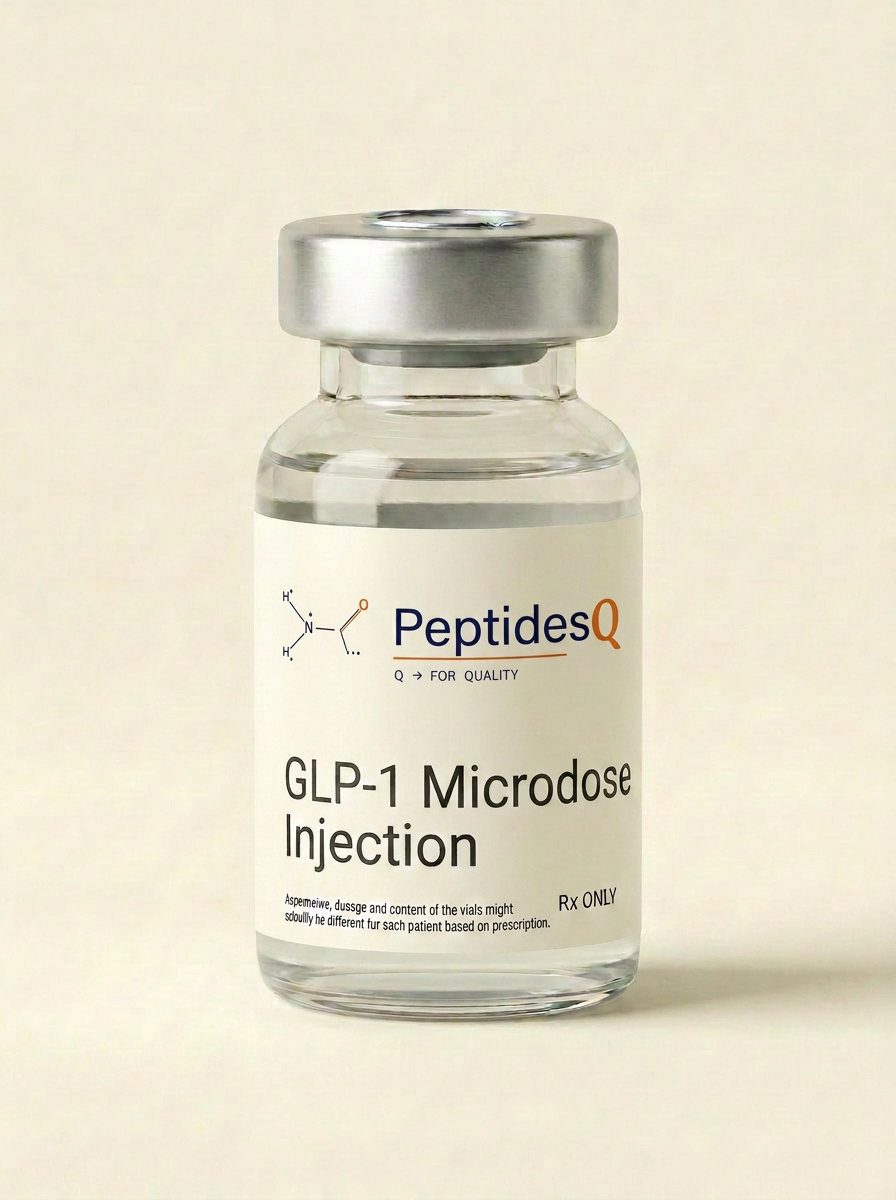
Appearance, dosage and content of the vials might actually be different for each patient based on prescription.
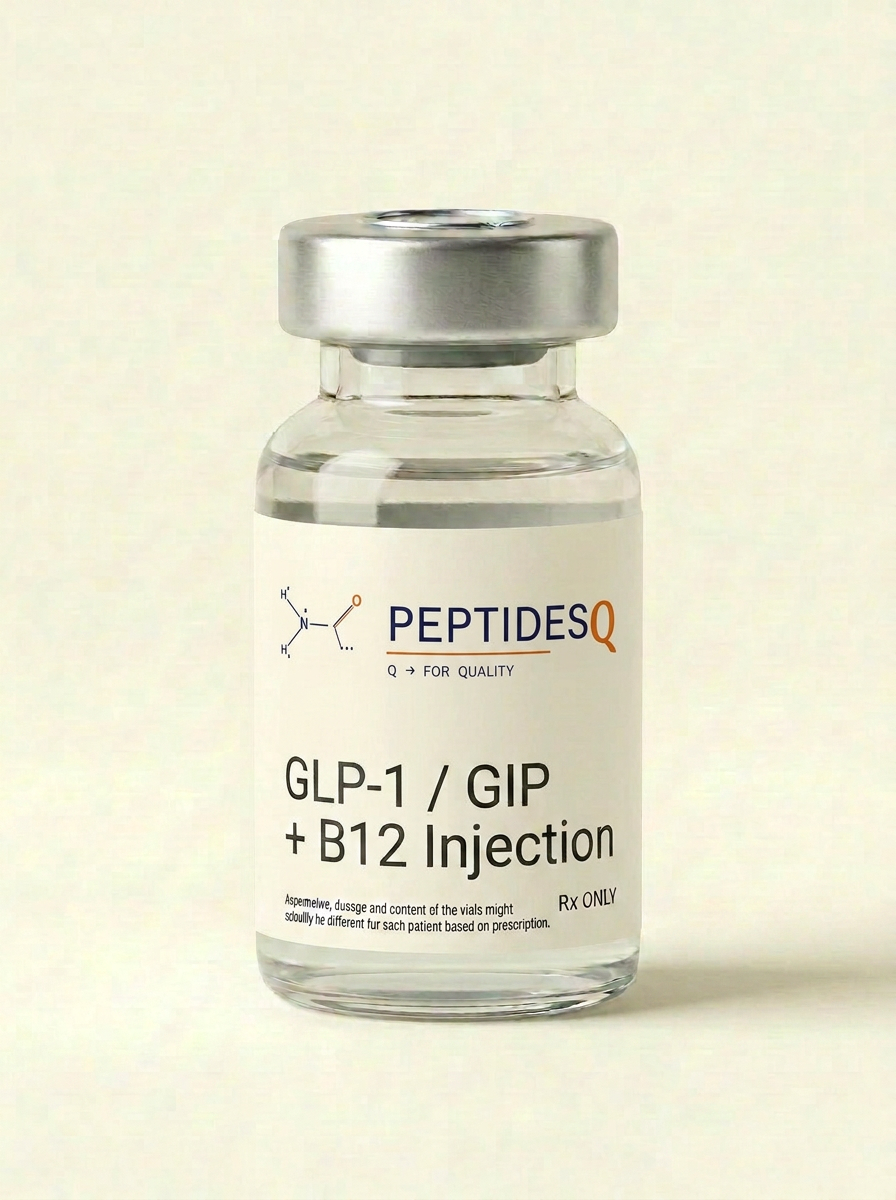
Appearance, dosage and content of the vials might actually be different for each patient based on prescription.
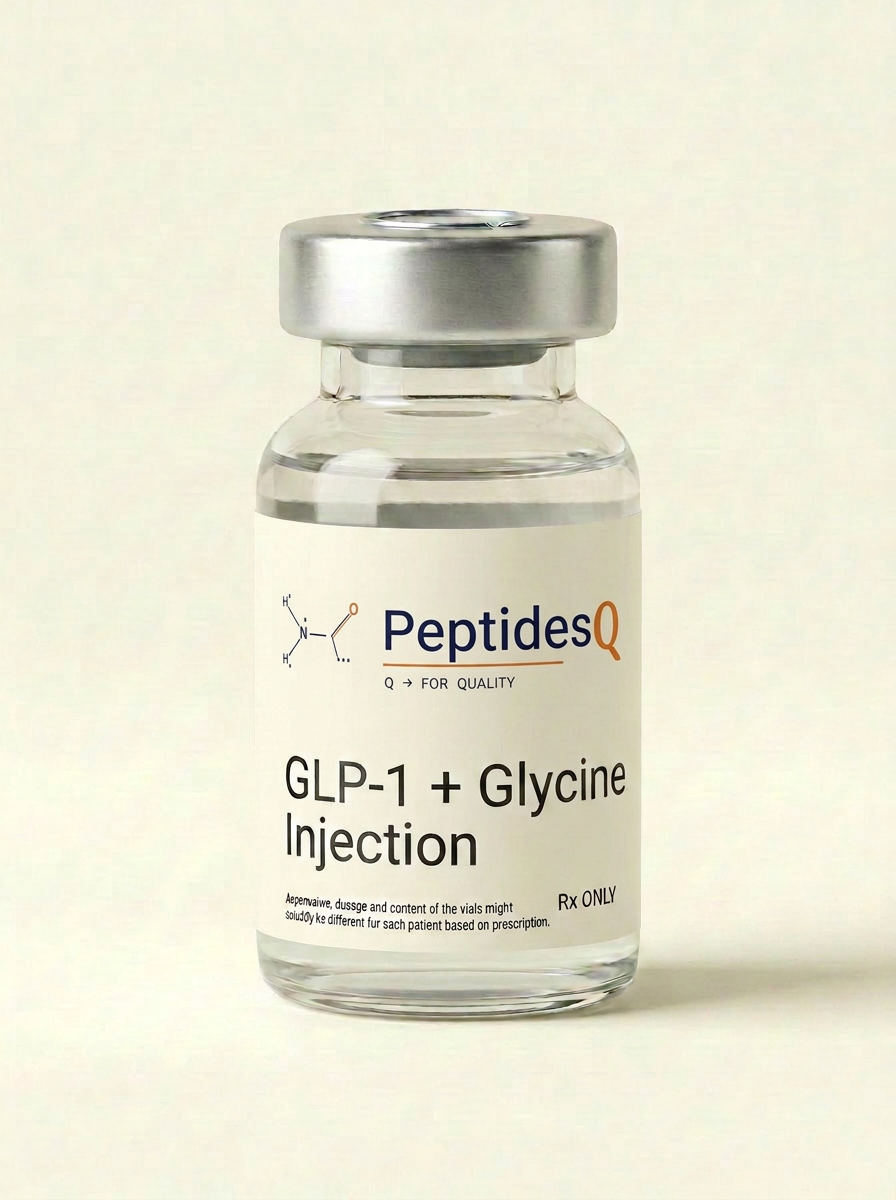
Appearance, dosage and content of the vials might actually be different for each patient based on prescription.
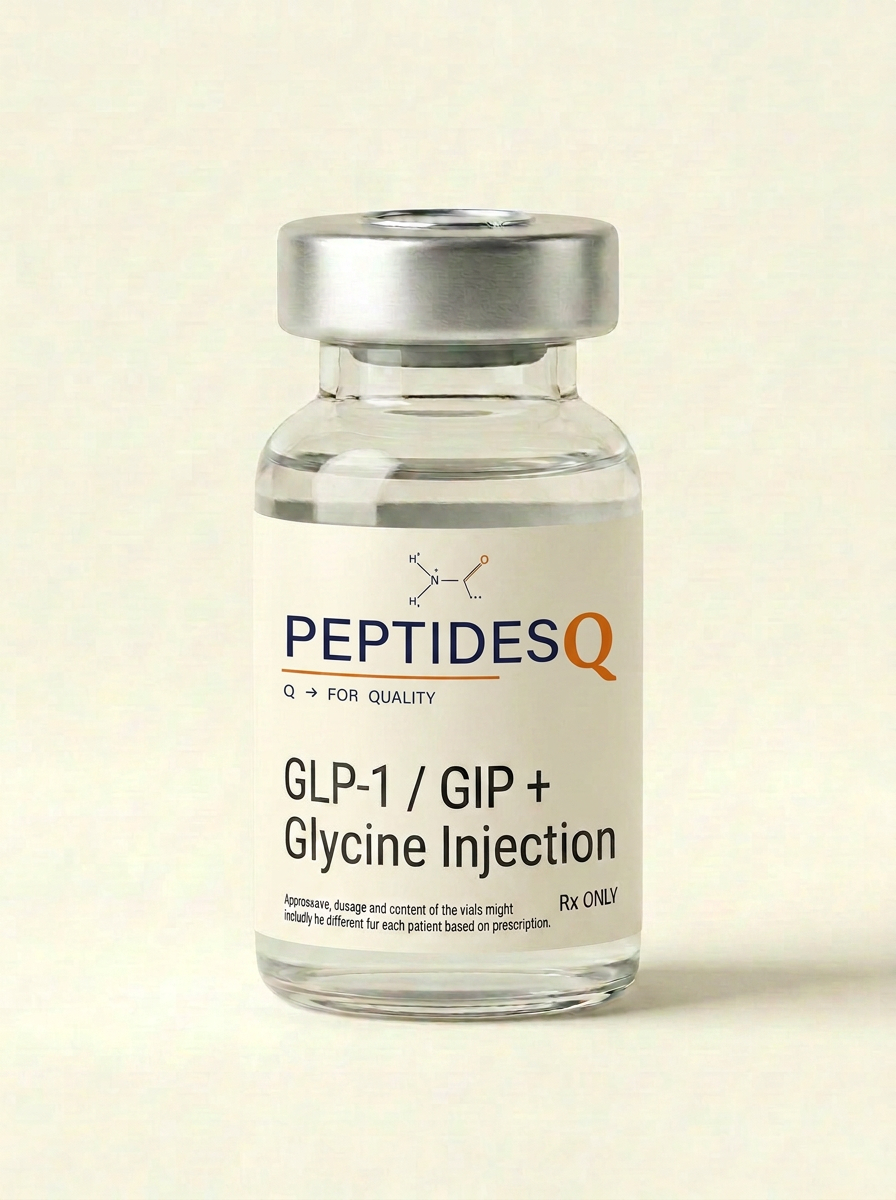
Appearance, dosage and content of the vials might actually be different for each patient based on prescription.
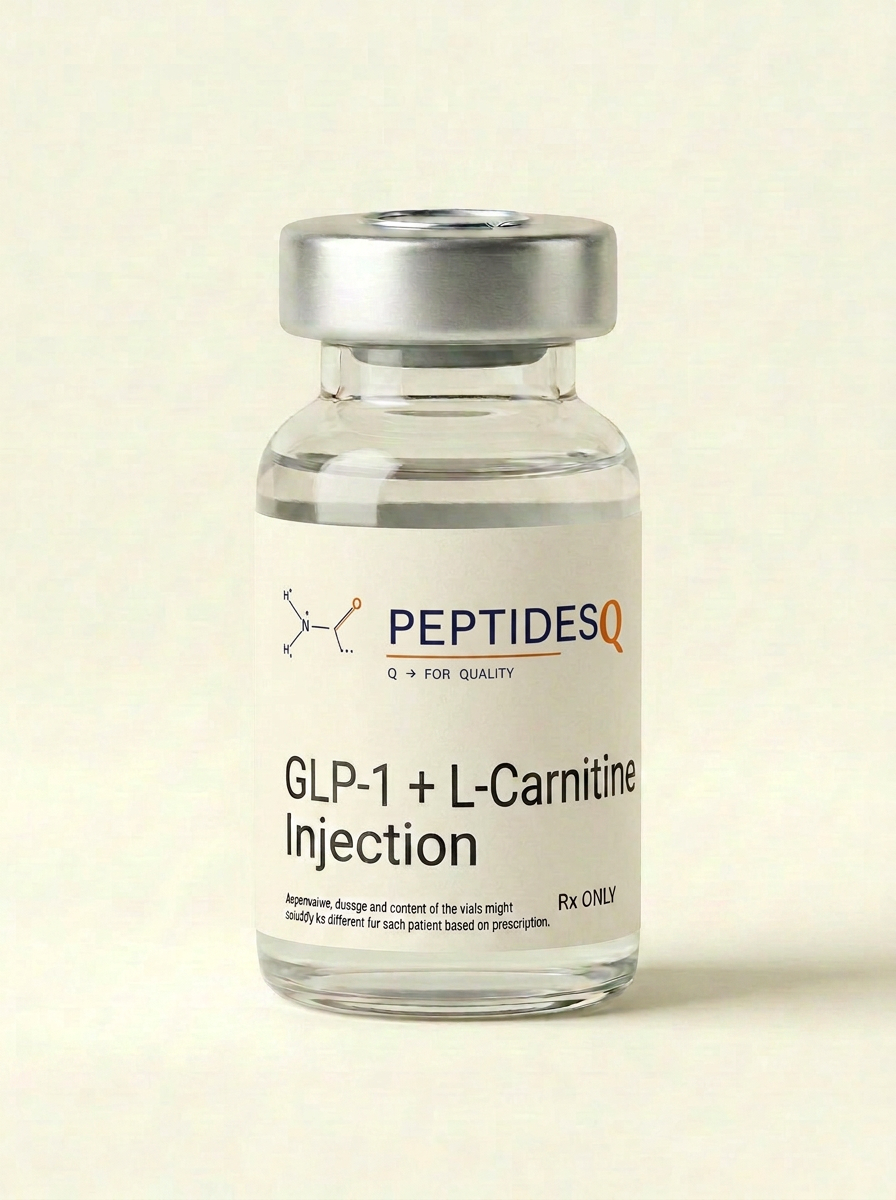
Appearance, dosage and content of the vials might actually be different for each patient based on prescription.
GLP-1 + L-Carnitine
Metabolic signaling plus transport support for fatty-acid utilization.
Learn more →
Appearance, dosage and content of the vials might actually be different for each patient based on prescription.
GLP-1 / GIP + L-Carnitine
Expanded metabolic coverage with added carnitine support.
Learn more →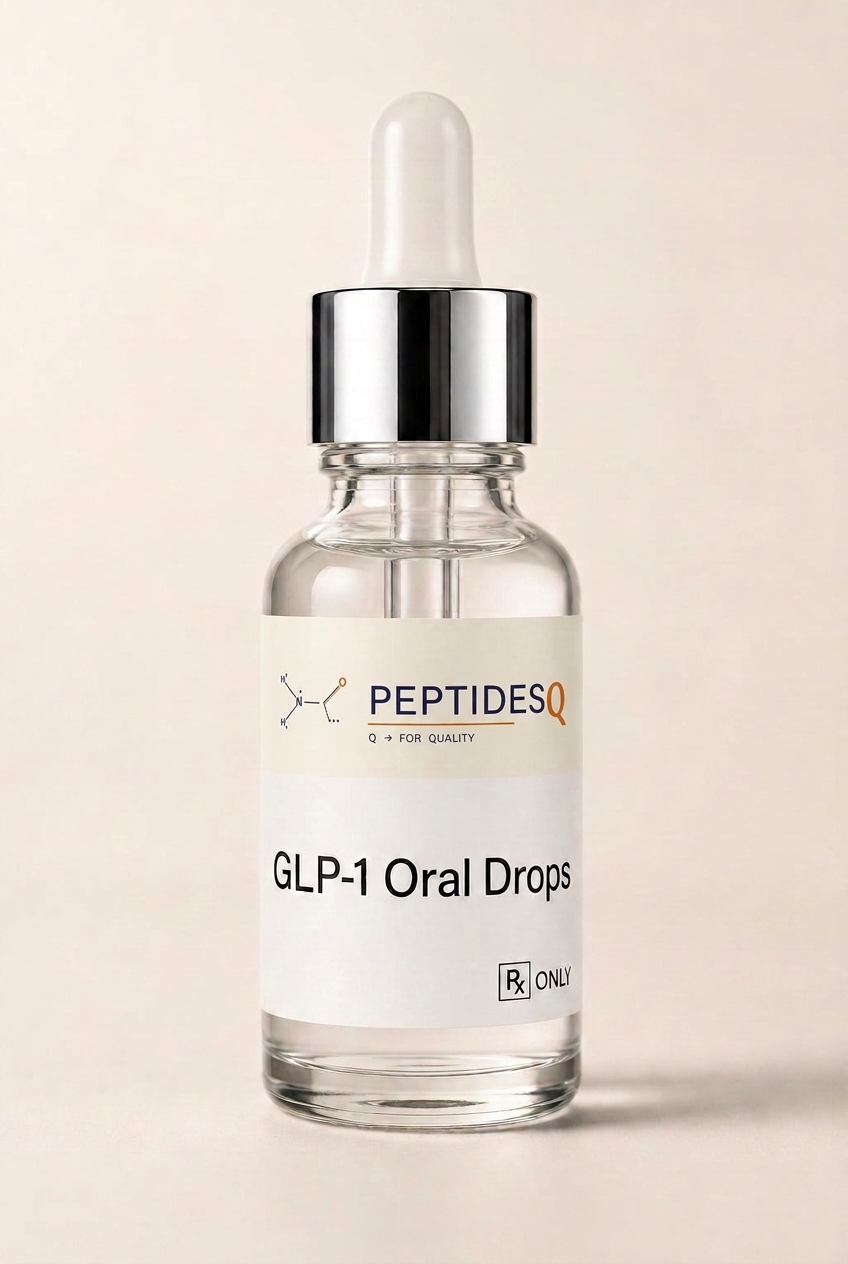
Appearance, dosage and content of the vials might actually be different for each patient based on prescription.
How it works
Incretin peptides signal satiety and slow gastric emptying, naturally reducing caloric intake while preserving lean tissue when paired with adequate protein and resistance work.
What to expect
Most members notice meaningful appetite changes within the first two weeks. Dosing is titrated upward by your physician to balance efficacy and tolerability.
Frequently asked questions
Expand a category below to explore the details of each protocol.
Scientific References
Peer-reviewed studies, regulatory guidance, and clinical reviews that inform our protocols. Select a category to explore the underlying literature.
Peer-reviewed research on glucagon-like peptide-1 receptor agonists in weight management and cardiometabolic health.
- 1.
Once-weekly semaglutide in adults with overweight or obesity (STEP 1)
Wilding JPH, et al. New England Journal of Medicine, 2021;384:989–1002.
In a 68-week trial of 1,961 adults without diabetes, semaglutide 2.4 mg produced a mean body-weight reduction of roughly 14.9% versus 2.4% with placebo, alongside improvements in waist circumference, HbA1c, and cardiovascular risk markers.
View source ↗ - 2.
Semaglutide once weekly in adults with type 2 diabetes and overweight (STEP 2)
Davies M, et al. The Lancet, 2021;397(10278):971–984.
Adults with type 2 diabetes on semaglutide 2.4 mg lost roughly 9.6% of body weight over 68 weeks, with meaningful reductions in HbA1c and blood pressure compared with placebo.
View source ↗ - 3.
Semaglutide and cardiovascular outcomes in obesity without diabetes (SELECT)
Lincoff AM, et al. New England Journal of Medicine, 2023;389:2221–2232.
In 17,604 adults with established cardiovascular disease and overweight or obesity, weekly semaglutide reduced the composite of cardiovascular death, non-fatal MI, or non-fatal stroke by 20% over a mean 39.8 months.
View source ↗ - 4.
Effect of liraglutide on body weight in non-diabetic adults with obesity
Pi-Sunyer X, et al. New England Journal of Medicine, 2015;373:11–22.
Daily liraglutide 3.0 mg plus lifestyle intervention led to a mean loss of 8.4 kg (about 8%) versus 2.8 kg with placebo over 56 weeks, and significantly more participants achieved ≥5% and ≥10% weight loss.
View source ↗ - 5.
Mechanism of GLP-1 on appetite and glucose homeostasis — a review
Drucker DJ. Cell Metabolism, 2018;27(4):740–756.
A comprehensive review of how GLP-1 slows gastric emptying, enhances glucose-dependent insulin secretion, suppresses glucagon, and acts on hypothalamic and brainstem centers to reduce appetite.
View source ↗
References are provided for educational purposes and do not imply endorsement of PeptidesQ protocols by the cited authors, journals, or agencies. Compounded medications are not FDA-approved. Always consult your physician before starting a new therapy.
Ready to begin the weight loss program?
Membership is by application. We review every submission personally.
Activate membership